If you’re planning to start a food truck business or expand your mobile kitchen fleet, one of the biggest decisions you’ll face is this: Should you invest in a custom food truck or go with a pre-built model? This choice can significantly impact your ROI (return on investment), startup costs, timeline, and long-term success.
In this article, we’ll break down the key differences, upfront costs, long-term financial benefits, and ROI considerations to help you make the best decision for your business.
Why ROI Matters for Food Truck Owners
Before comparing options, let’s clarify – ROI isn’t just about the lowest price tag. It’s how quickly you recoup your investment and start making profits. For food trucks, ROI depends on:
- Initial build cost
- Operating efficiency
- Revenue potential
- Longevity and resale value
…and more.
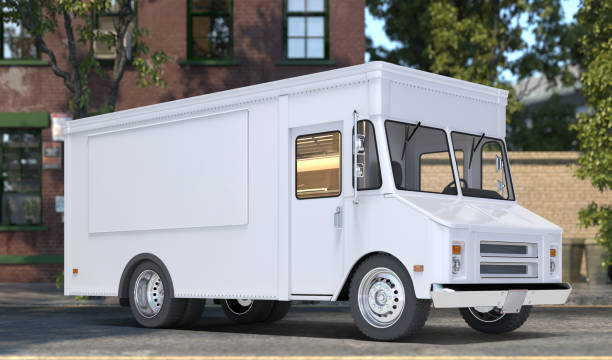
1. What Is a Pre-Built Food Truck?
A pre-built food truck (sometimes called a standard or ready-to-run unit) comes with a pre-designed layout and essential kitchen equipment. These are typically:
- Manufactured with standard configurations
- Designed for general menus (burgers, tacos, coffee, etc.)
- Delivered faster than custom builds
Pre-built units are often more affordable, especially if you’re buying used or semi-custom.
Pros of Pre-Built Food Trucks
✅ Lower upfront cost
✅ Faster setup and delivery
✅ Less design planning required
Cons
❌ Limited customization
❌ May not optimize workflow for specific menus
❌ Could require upgrades later
2. What Is a Custom Food Truck?
A custom food truck is built from scratch to your exact specifications. Every detail from layout and equipment placement to branding and workflow is tailored to your concept.
Pros of Custom Food Trucks
✅ Optimized for your menu and workflow
✅ Unique design that strengthens brand identity
✅ Higher long-term value and resale potential
Cons
❌ Higher initial investment
❌ Longer build time
❌ More decisions and planning required
3. Side-by-Side Cost Comparison
Understanding costs is essential for evaluating ROI.
Pre-Built / Standard Models
- Often range from $25,000 – $80,000+ for used or basic units
- Lower start-up investment
- Good for simple menus or first-time owners
Custom Builds
- Typically $60,000 – $150,000+ depending on specifications
- Includes tailored kitchen, branding, and workflow design
- Designed to accommodate complex menus and high-volume traffic
💡 Generally, custom builds cost more upfront but can deliver better efficiency and long-term ROI for serious operators.
4. ROI Considerations: Beyond the Sticker Price
Here’s how ROI plays out for each option:
🚚 Pre-Built Food Trucks
- Faster launch start selling sooner
- Lower risk for beginners
- Good ROI if your concept is simple and you’re testing the market
🔧 Custom Food Trucks
- Optimized workflow can cut operating costs and speed service
- Tailored kitchen improves productivity
- Stronger branding can increase customer loyalty and revenue
- Potentially higher resale value when upgrading or selling
A well-designed custom build can act as both a kitchen and mobile billboard boosting exposure and sales without equivalent traditional advertising costs.
5. Which Option Gives You the Best ROI?
There’s no one-size-fits-all answer, but here’s a breakdown:
| Goal | Best Option | Why |
|---|---|---|
| Quick launch with low capital | Pre-Built Truck | Lower cost and fast setup |
| Long-term brand and higher profit potential | Custom Truck | Tailored design and efficiency |
| Simple menu concepts | Pre-Built | Costs stay in control |
| Complex menus & high traffic areas | Custom | Better workflow and customer experience |
For most serious food entrepreneurs, custom food trucks often deliver a stronger long-term ROI especially when your concept demands efficiency, branding, and scalability.
Conclusion: Pick the Option That Aligns With Your Business Goals
- Custom food trucks are ideal if you want a unique, efficient, brand-focused mobile kitchen with the potential for higher long-term ROI.
- Pre-built trucks are best if you’re budget-conscious or a first-time owner testing the waters.
Whichever route you choose, understanding your market, menu complexity, and customer demand will help you maximize profits and grow your business faster.