Start your mobile food business with the right financial strategy
Every aspiring food truck owner faces the same big question: how do I fund my food truck business? Whether you’re planning a gourmet taco truck, an eco‑friendly coffee trailer, or a festival‑ready dessert truck, knowing your food truck financing options is crucial before you hit the road. In this guide, you’ll discover the best loans, grants, and creative funding strategies to get your dream rolling.
Why Funding Matters for Your Food Truck Business
Launching a food truck involves more than just passion you need capital. Costs typically include purchasing or building the truck, outfitting the kitchen, securing permits, covering insurance, and having enough working capital to sustain operations in the early months. According to popular industry keyword data, terms like food truck financing, starting a food truck business, and food truck cost show strong search interest, meaning your audience is actively seeking funding insights right now.
1. Traditional Business Loans
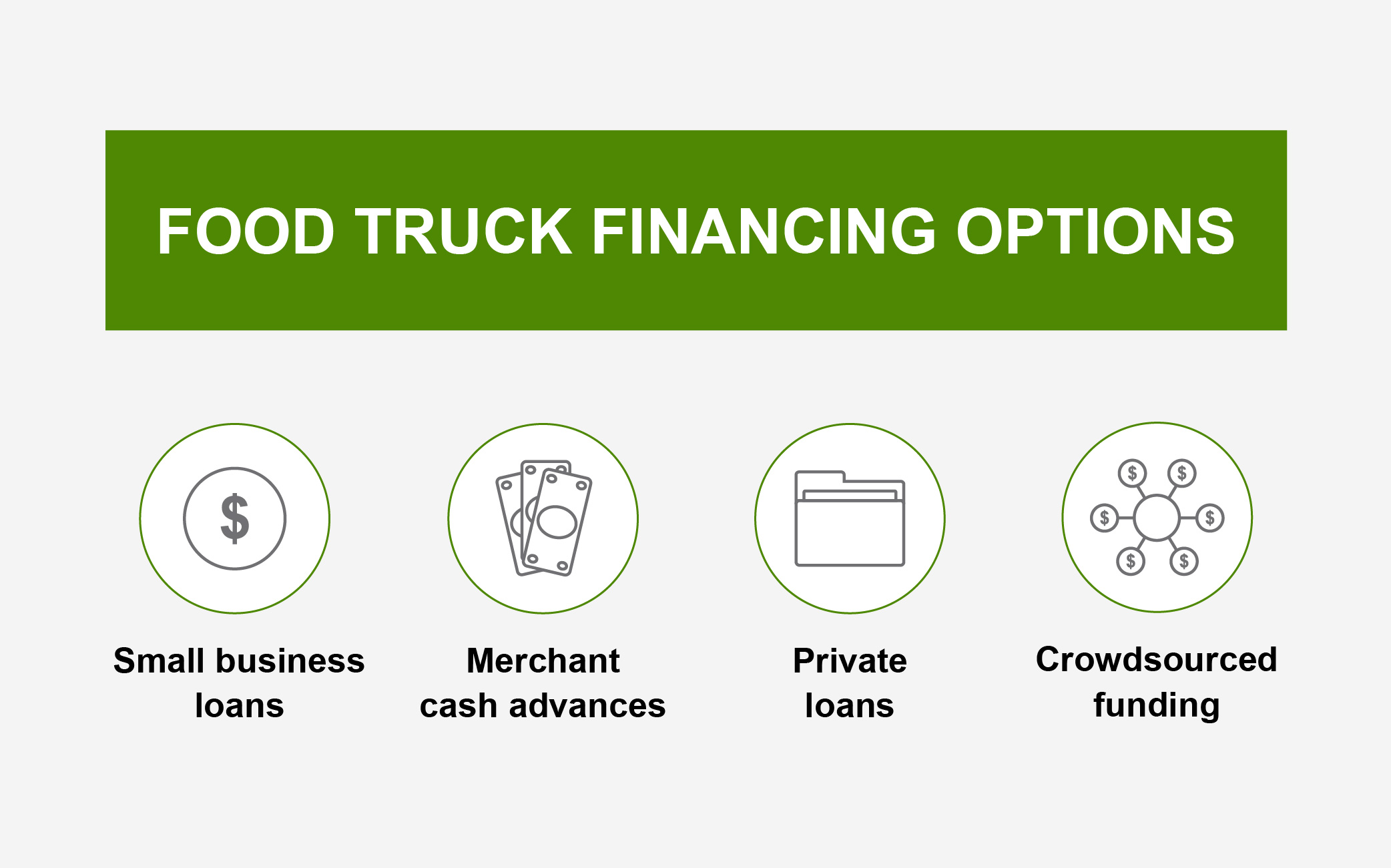
Small Business Loans
One of the most familiar ways to fund a food truck is through a business loan from a bank or credit union. These loans provide lump sums you can use for everything from equipment to operating expenses.
- Pros: Predictable repayment schedule and access to significant amounts of capital.
- Cons: Requires strong credit and often several years in business to qualify.
SBA Loans
Loans backed by the Small Business Administration (SBA) are popular for food truck owners because they offer lower interest rates and longer terms than many traditional loans. The SBA’s 7(a) loan program and microloans can be used for truck acquisition and build‑out costs.
✔️ SBA Microloans: Great for smaller startup costs (up to ~$50,000).
✔️ SBA 7(a) Loans: Can go much higher (up to $5M), ideal if you’re buying several trucks or planning a fleet.
Equipment Financing
If your main cost is buying the truck or kitchen equipment, an equipment loan lets you borrow specifically for these assets. The equipment often serves as collateral, which helps with approval.
2. Lines of Credit & Working Capital
A business line of credit gives you flexible access to funds up to a preset limit. You only pay interest on what you use, making this ideal for seasonal slow periods, inventory purchases, or emergency expenses.
3. Crowdfunding & Community Support
One creative and increasingly popular option is crowdfunding. Platforms like Kickstarter, Indiegogo, or GoFundMe allow you to raise money from your community or future customers before you launch.
- Pro tip: Offer rewards like branded merchandise, free meals, or VIP previews to attract more backers.
- Bonus: Successful campaigns also serve as pre‑launch marketing.
4. Grants and Government Programs
Unlike loans, grants don’t have to be repaid, making them a goldmine for startup funding. While grants specifically for food trucks can be rare, there are small business grants for women, minority‑owned businesses, veterans, or entrepreneurs in underserved areas.
Here are places to look:
- Small Business Development Centers (SBDCs)
- Local government economic programs
- Industry competitions and awards
Tip: A detailed business plan increases your chances of winning grants and accessing these funds.
5. Creative & Alternative Financing
If traditional loans or grants aren’t available, these options can still help:
Angel Investors & Equity Partners
Pitch your food truck concept to investors who provide funding in exchange for equity. This works well if your concept has high growth potential.
Restaurant Incubators & Mentorship Programs
Some incubators provide funding, shared kitchen access, and business coaching in exchange for a fee or revenue share.
Personal Savings & Bootstrapping
Many food truck owners start small testing their concept with pop‑ups, markets, or catering gigs and using income to fund the truck build.
6. Leasing & Rent‑to‑Own Options
If upfront capital is hard to secure, consider leasing a food truck or equipment. This lowers your initial cost and gives you flexibility, especially if you’re still testing market demand.
Final Tips for Funding Success
✅ Have a solid business plan: Lenders and investors want to see clear goals, financial projections, and a realistic budget.
✅ Understand your credit profile: Improve your credit score before applying to secure better loan terms.
✅ Combine funding sources: Many food truck entrepreneurs use a mix of loans, crowdfunding, and savings to reach their budget.
Conclusion
Funding your food truck business doesn’t have to be overwhelming. With the right combination of loans, grants, community support, and creative financing, you can secure the capital you need to build, launch, and grow your mobile kitchen. Whether you’re just starting or ready to expand, exploring all your options will give your food truck the best chance of success.