In 2026, food truck location strategy has evolved beyond simply finding a busy street corner. With the rise of AI-driven foot traffic analytics and hyper-local SEO, where you park is just as important as what you cook. For new entrepreneurs, a data-backed approach to choosing a location is the primary driver of daily revenue.
1. High-Traffic “Anchor” Locations vs. Event Pop-ups
The most successful operators in 2026 balance consistent “anchor” spots with high-impact events.
- Business Districts & Office Parks: Target the Tuesday-Thursday lunch rush. In 2026, hybrid work models mean mid-week foot traffic is higher than Mondays or Fridays.
- Residential “Food Truck Hubs”: Suburban neighborhoods have become goldmines. Partnering with Homeowners Associations (HOAs) for “Food Truck Fridays” provides a captive audience.
- 2026 Event Trends: Festivals, night markets, and outdoor fitness events remain high-volume opportunities, but often require booking months in advance.
2. Using AI and Data to Predict Demand
Modern food truck location apps now offer predictive analytics. Instead of guessing, successful owners use data to:
- Analyze Demographics: Match your menu to the local population. A vegan fusion truck will perform better near a university or yoga studio than an industrial park.
- Monitor Weather Impact: Predictive software can suggest moving to indoor-accessible areas (like breweries) when rain or extreme heat is forecasted for 2026.
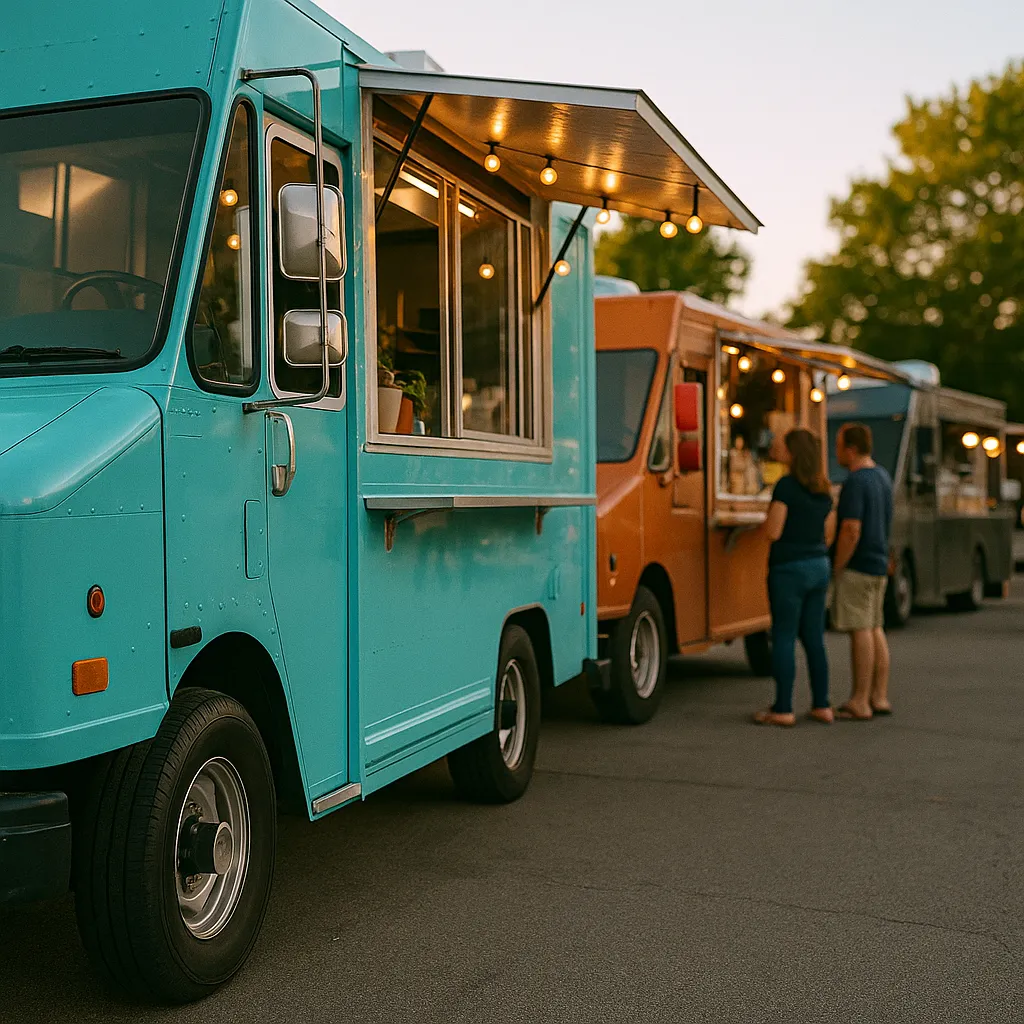
- Track Competitor Density: Avoid “oversaturated” zones where three other trucks are already serving similar cuisine.
3. The Power of “Near Me” SEO
In 2026, most customers find their next meal via a mobile search for “[Cuisine] food truck near me.” To dominate this search:
- Google Business Profile: Update your location in real-time. If you aren’t at your pinned location, you lose trust and rankings.
- Hyper-Local Keywords: Use tags on social media for specific neighborhoods, such as “Best tacos in [Neighborhood Name]” rather than just the city.
- Digital Menu Boards: Ensure your menu is crawlable by search engines so your specific dishes show up in local searches.
4. Navigating Zoning, Permits, and Legalities
Even the most profitable spot is useless if it’s illegal. Food truck parking laws in 2026 are stricter regarding proximity to brick-and-mortar restaurants and fire hydrants.
- Private Property Agreements: Secure written contracts with gas stations or retail lots to ensure you have a “safe” spot that won’t result in towing or fines.
- Public Meters & Curbside Regulations: Check city-specific 2026 ordinances for “mobile food vending zones” which may require specific annual permits.
5. Leveraging Social Media for “Follower-Based” Locations
Your location strategy should be interactive. Use Instagram Reels and TikTok to announce your 2026 schedule.
- Live Tracking: Use integrated maps on your website so customers can see your truck moving in real-time.
- User-Generated Pins: Encourage customers to tag your location. This creates “social proof” and helps the 2026 algorithms recommend your truck to other locals in that area.
Pro Tip for 2026: Don’t just park—engage. The best location is one where you’ve built a digital community that is willing to drive 15 minutes just to find your window.